






One of our Type 1 members phoned today to warn other people of his experience with the DVLA online driving licence application.
Diabetes care in nursing homes still remains “fragmented” and urgent steps need to be taken to restore the “health and dignity” of older people, leading experts have said.
A review of multiple studies carried out across 25 years involving residents with diabetes has slammed care home provision saying that care homes “often do not meet national standards” of diabetes care and staff training is “patchy”.
Lead author Professor Alan Sinclair, from the Foundation for Diabetes Research in Older People and University of Aston, said: “Our findings show the level of diabetes care remains fragmented which is quite worrying because figures suggest over a quarter of care home residents are believed to have the condition. Without proper management, it can lead to frailty, dependency, disability and reduced life expectancy.
Talking meter removed
Meter for the visually impaired removed from the market
The SuperCheck2 blood glucose meter for visually impaired people has been withdrawn from the market by the manufacturer, Apollo Medical Technologies Ltd. This meter provided blood glucose readings through a voice system.
There is another glucose meter on the market to help visually impaired people with diabetes, the GlucoRx Nexus Voice Meter. This meter uses GlucoRx Nexus test strips and GlucoRx Nexus Lancets.
“The number of adults and older teens with diabetes in the UK has more than doubled over the past 20 years, with 3.7 million people aged 17 or older now known to be living with the disease, campaigners say.”
50% less sugar
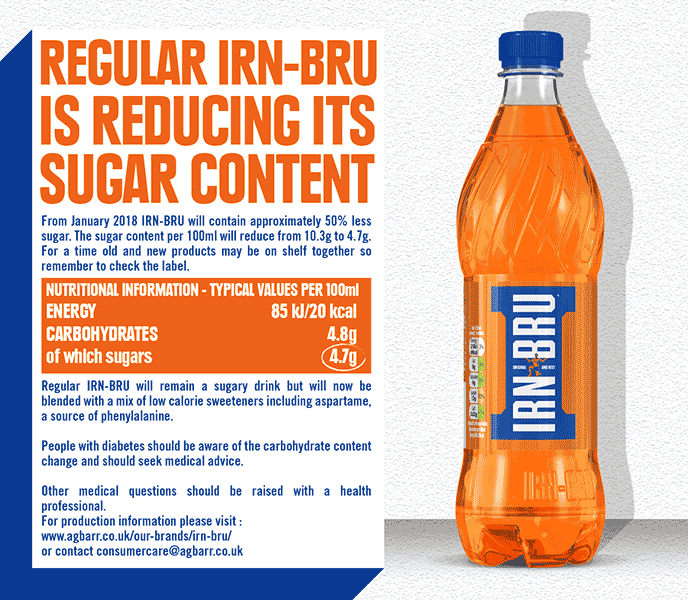 From January 2018 IRN-BRU will contain approximately 50% less sugar. The sugar content per 100ml will reduce from 10.3g to 4.7g. For a time old and new products may be on the shelf together so remember to check the label.
People with diabetes should be aware of the carbohydrate content change and should seek medical advice.
Please click the image to zoom in for all of the info.
From December 2018, people in the US will not be able to import pork insulin from Wockhardt UK.
This is due to stringent Regulatory Controls, leaving Wockhardt UK with no choice but to discontinue the supply of Hypurin Porcine & Bovine insulin which is directly supplied to the patients in the USA on a “Name Patient basis”.
On November 30th 2018, Wockhardt issued the following statement which offers reassurance to people in the UK who use Hypurin® porcine insulin…
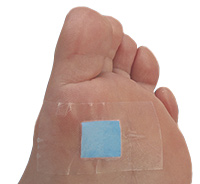
neuropad® is a patented 10-minute screening test for the early detection of diabetic foot syndrome; a condition which can lead to serious complications such as foot ulceration and even amputation. The test is completely painless. Think of the test as an early warning system for your feet.
List of published clinical studies: http://www.neuropad.co.uk/case-studies/
The price of the test comprising of two test pads is £14.99, no VAT payable and can be purchased from our website shop, or by phoning IDDT on 01604 622837.
The term ‘pre-diabetes’ has crept into our language and there is debate about its use. People who are at risk of developing Type 2 diabetes are now being classed as having ‘pre-diabetes’ or ‘borderline diabetes’.
This is the title of a report issued by the Parliamentary and Health Ombudsman on October 20th 2016 and the title page describes it as ‘How drivers have been let down by the Driver and Vehicle Licensing Agency (DVLA)’.
Several new insulins have come to the market recently; three high strength insulins which have concentrations greater than the previously standard strength of U100 and biosimilar insulin.
The Trustees of IDDT have discussed the introduction of different strengths of insulin in depth and strongly expressed their concerns about the risks of errors by people with diabetes, health professionals and hospitals. These concerns come from their experiences of the introduction of the first genetically modified human insulin in the 1980s when there was a dearth of evidence of benefit and many people with diabetes were not informed of the differences from their previous natural animal insulin.
The European Medicines Agency (EMA) has started a review of canagliflozin, dapagliflozin and empagliflozin, which are diabetes medicines known as SGLT2 inhibitors. This was requested by the European Commission following several reports of diabetic ketoacidosis in patients on SGLT2 inhibitor treatment for Type 2 diabetes. EMA will now review all available data on the risk of diabetic ketoacidosis (DKA) with SGLT2 inhibitors and consider whether any changes are needed in the way these medicines are used in the EU.
The InDependent Diabetes Trust [IDDT] is all too aware of the difficulties that children with diabetes and their parents face in everyday life when managing the condition. One area that proves particularly problematic is managing the condition at school. With this in mind, IDDT has produced a new, FREE booklet, the Parents Passport for Schools.
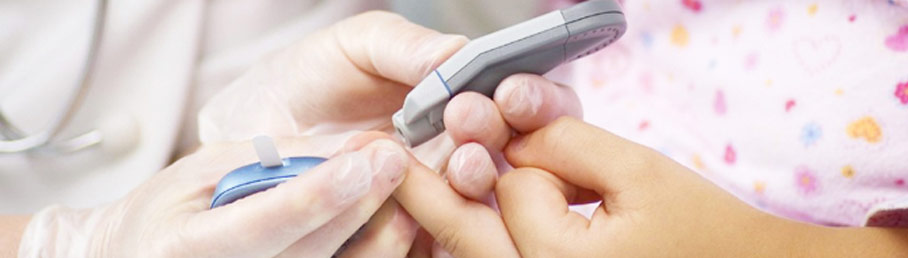
The National Paediatric Audit report by the Royal College of Paediatrics and Child Health, March 2015, has shown that in England and Wales only 16.1% of young people aged 12 years and older are receiving the 7 annual checks that every child with diabetes should have. This is a slight improvement from the last audit but still very worrying.
There is an urgent need for effective public health strategies to deal with diabetes, starting with more consistent NHS testing, says Jenny Hirst, Chair of the InDependent Diabetes Trust (IDDT).
It is important that people have a fully informed choice of insulin so that they can choose the type of insulin and the regime that suits them and their lifestyle.

Insulin Choices – The Evidence
Animal insulins are available in the UK
Replacement pork insulin available in
Canada
Use of Pork Insulin in Pumps
Reviews and Reports
IDDT

What’s new at IDDT?

IDDT Shop

Join Us

Please show your support by joining IDDT or renewing your membership now.
We rely on voluntary donations and appreciate any help you can give.
Find out the great benefits of becoming a member.
IDDT Helpline

IDDT has a CONFIDENTIAL Helpline,
find out more.
Donate
Want to donate?
You don’t have to be a member to donate. Please click the button below to donate to IDDT. Thank you.


IDDT Lottery
All the money that we raise through the IDDT Lottery goes directly to help people with diabetes and their families.
Find out more.
NICE Guidelines

NICE is an independent organisation responsible for providing national guidance on promoting good health.
Contact Info

InDependent Diabetes Trust
PO Box 294
Northampton
NN1 4XS
UK
01604 622837
An umbrella organisation
Looking for our Publications?
Looking for our Publications?

All IDDT publications are now accessible via the main Publications menu at the top of the page
External Links