








NICE
Weekly insulin injection to cut injections from 365 a year to just 52 for people with Type 2 diabetes
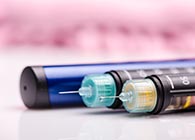
On August 20th 2026, NICE announced a recommendation which could see hundreds of thousands of people with Type 2 diabetes changing daily insulin injections for a once-a-week jab. This change could cut the number of injections each patient needs by 85% and reduce the number of injections from 365 to 52 a year.
Insulin efsitora alfa, also known as Onswik and made by Eli Lilly, works as well as the insulins already used to treat Type 2 diabetes. This weekly insulin can be used alone or alongside other treatments for Type 2 diabetes.
Clinical trial evidence shows the new insulin controls blood glucose levels as well as two widely used long-acting insulins, insulin degludec and insulin glargine, which are taken to keep blood sugar levels steady throughout the day. This means that people switching to the weekly injection can expect similar blood glucose control to their current treatment.
The director of medicines at NICE has stated that this recommendation is the result of rigorous, evidence-based decision making, striking a balance between the benefits to patients and the best use of limited NHS funding.
The benefits are as follows:
- For people who need insulin it will mean fewer visits from carers or healthcare workers and less disruption to everyday life. This could particularly benefit some frailer people, and those with sight loss, limited hand movement, learning disabilities or difficulty following the steps involved.
- It could also help people who struggle to stick to their treatment routine.
- It may also benefit people under 40 with early-onset Type 2 diabetes who are managing intensive treatment alongside working life.
The future
NICE’s final draft guidance recommends healthcare professionals and patients should discuss the benefits and disadvantages of available options in order to have an informed choice of treatment while also taking into account dosage, administration costs and price.
NICE’s recommendation is subject to the treatment being licensed by the Medicines and Healthcare products Regulatory Agency (MHRA) before it can be made available on the NHS. In addition, the NHS rollout needs to be supported by clear guidance, staff training and fair access.